|
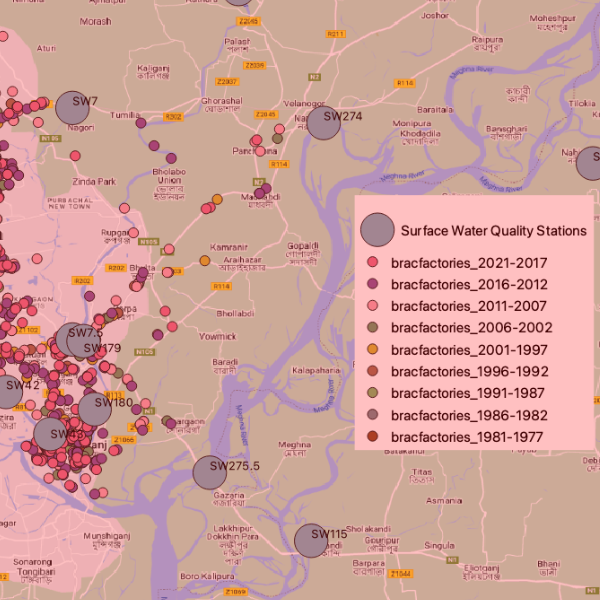
Does Trade with Multinationals induce Greener Production? Evidence from the Bangladesh Fashion IndustryProject Introduction: As multinational fashion giants embrace sustainable practices, Bangladesh's garment and leather industries are at a pivotal crossroads. Can global consumer pressure drive local suppliers to clean up their act and protect the environment while fueling economic growth? Our research dives into this transformative journey towards greener production. Location: Bangladesh Timeline: June 2022 – March 2026 READ MORE |
|
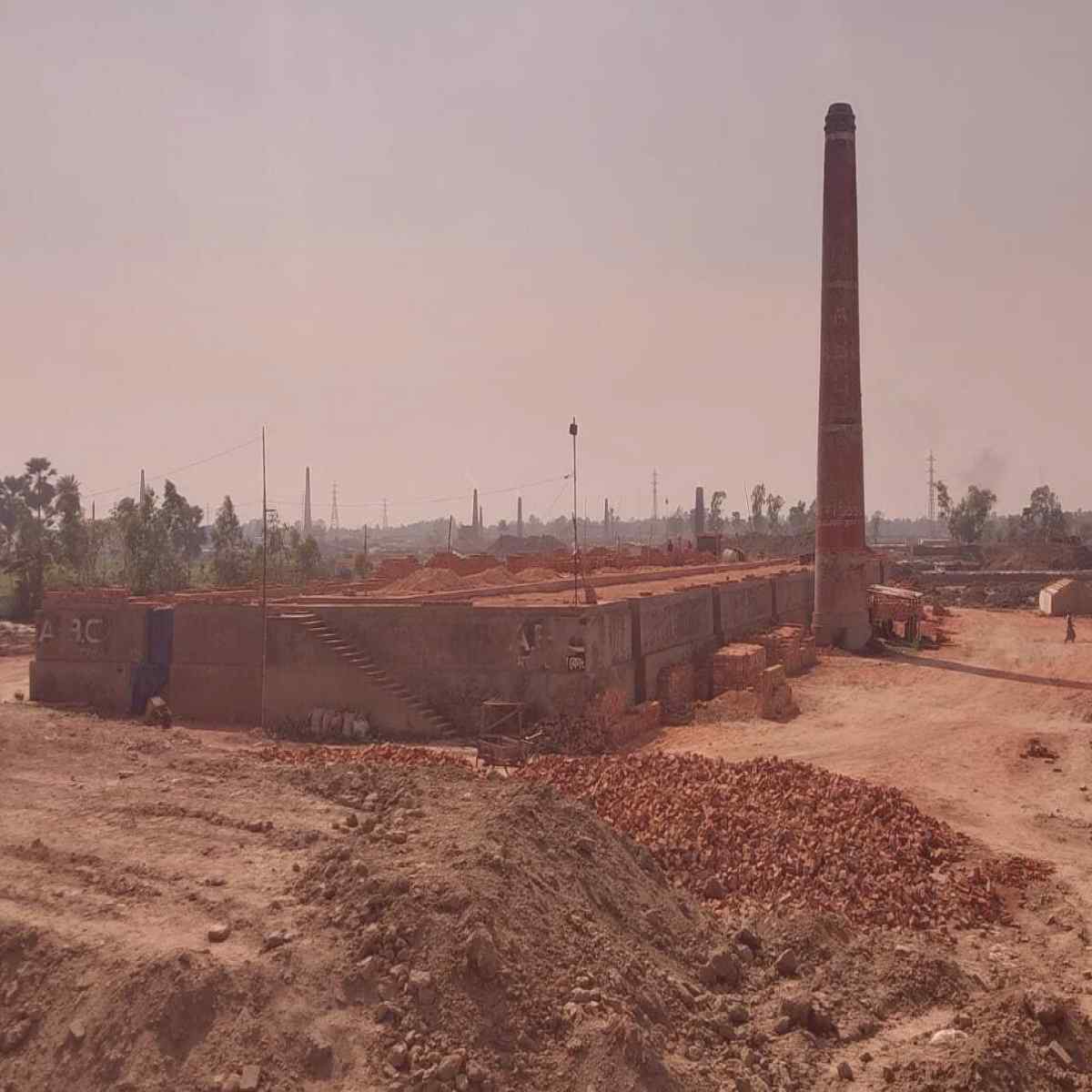
Brick Kiln Worker Wellbeing: Climate Change and Human HealthProject Introduction: Air pollution is a serious public health concern in Bangladesh. This research, conducted through surveys at 25 brick kilns in collaboration with Boston College, IGC, and ARCED Foundation, investigates the effects of transitioning from traditional, polluting kilns (FCKs) to cleaner technologies like Zig-Zag Kilns (ZZKs). It focuses on the labor conditions, health, and financial stability of workers, particularly those migrating from climate-vulnerable regions. The study aims to ensure a just and equitable transition to a greener economy for brick kiln workers in Dhaka and Gazipur. Location: Dhaka and Gazipur Area Timeline: January 2024 – July 2024 READ MORE |
|
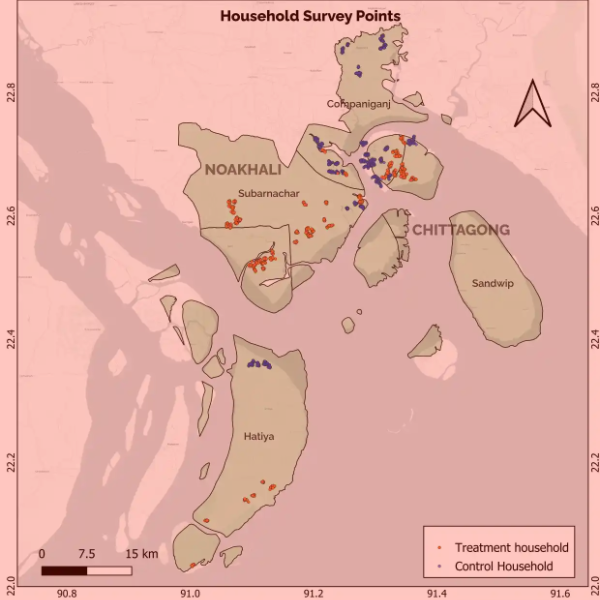
Impact Assessment of Char Development Settlement Project-IV Bangladesh (CDSP-IV)Project Introduction: The Char Development and Settlement Project (CDSP) addresses the vulnerability of the communities on Bangladesh’s dynamic Chars- which are newly formed river islands, and improves their livelihoods, enhances climate resilience, and promotes land security for these marginalised populations. Continuing its earlier phases since 1994, CDSP-IV sought to improve the char residents through 5 key components and to evaluate the developmental outcomes and inform future initiatives, an impact assessment is being conducted to provide evidence on achieving SDG goals. Location: Char Nangulia, Noler Char, Caring Char, Urir Char, and Char Zianuddin Timeline: 2022 - 2025 READ MORE |
|
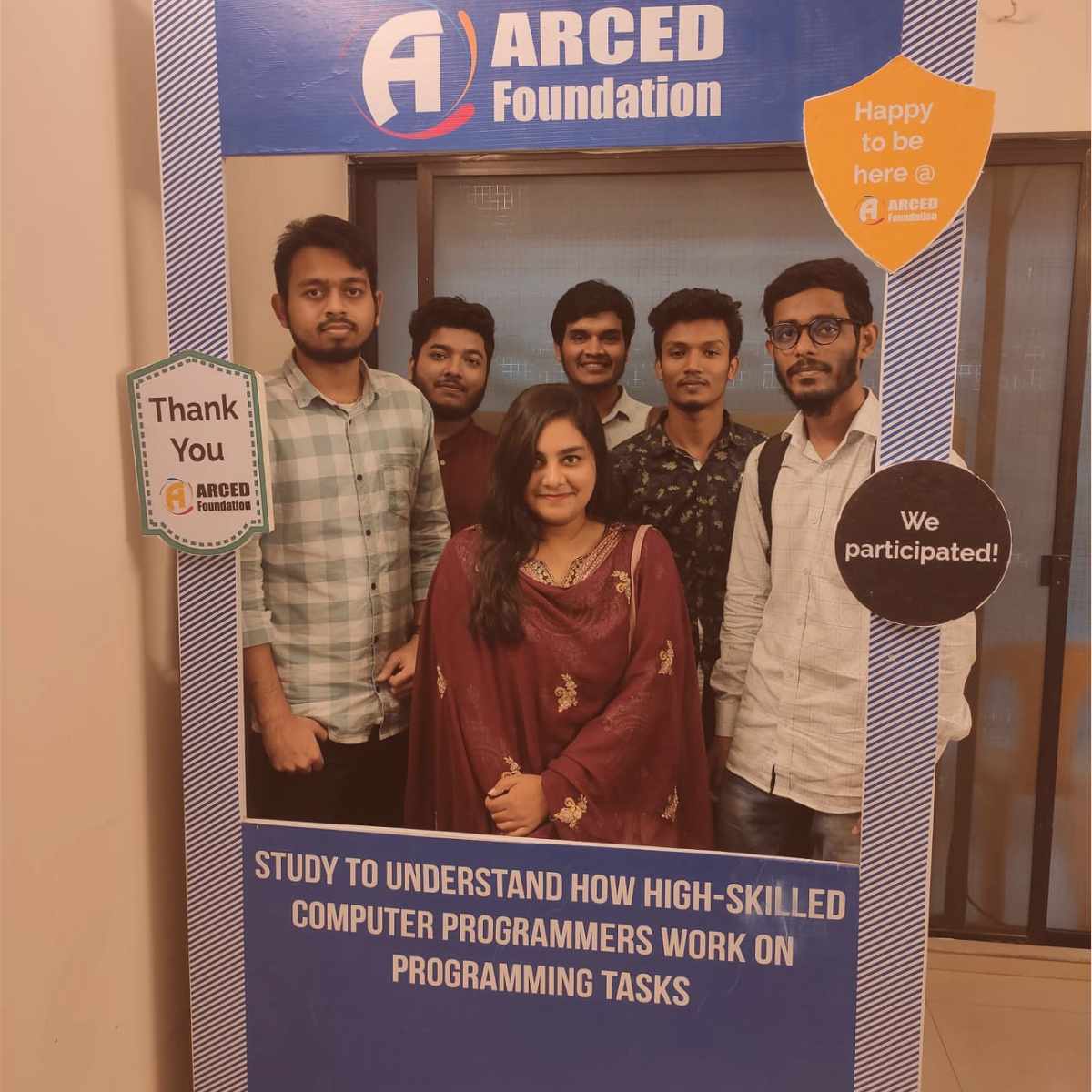
Bangladesh Temperature Lab Field Experiment on Heat and Team ProductionProject Introduction: The Bangladesh Temperature Lab investigates the impact of heat on worker productivity, particularly in team-based tasks. While the effects of temperature on individual productivity are well-documented, little is known about how heat influences collaborative work. To bridge this gap, researchers conducted a randomized controlled trial (RCT) in Dhaka, Bangladesh, focusing on programmers working in controlled environments with varying temperatures. The study explores whether heat disrupts teamwork by increasing coordination costs and reducing efficiency, particularly in diverse teams. Location: Dhaka, Bangladesh Timeline: October – November 2022 READ MORE |
|
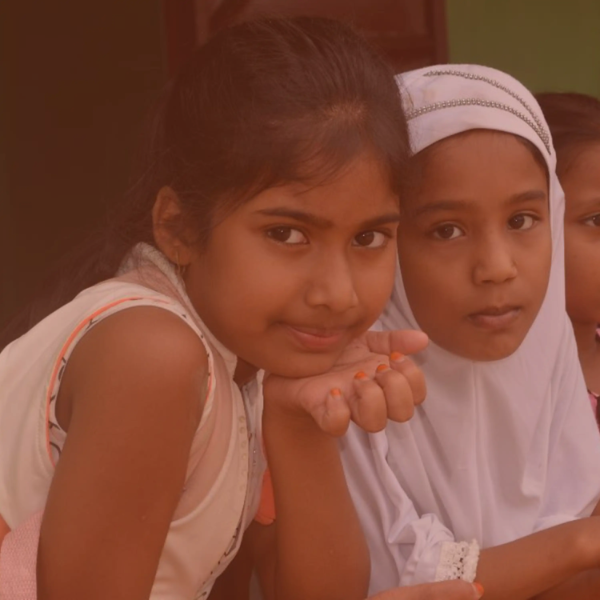
USAID’s Promoting Education for Early Learners ProjectProject Introduction: This assessment is primarily concerned with the improvement evaluation of children, particularly those from marginalized groups, in their reading, writing, numeracy, and socio-emotional development because of the project's classroom interval throughout the program. Location: Moulvibazar and Habiganj districts (5 Upazilas) Timeline: February 2022 - April 2024 (3 Years) READ MORE |
|
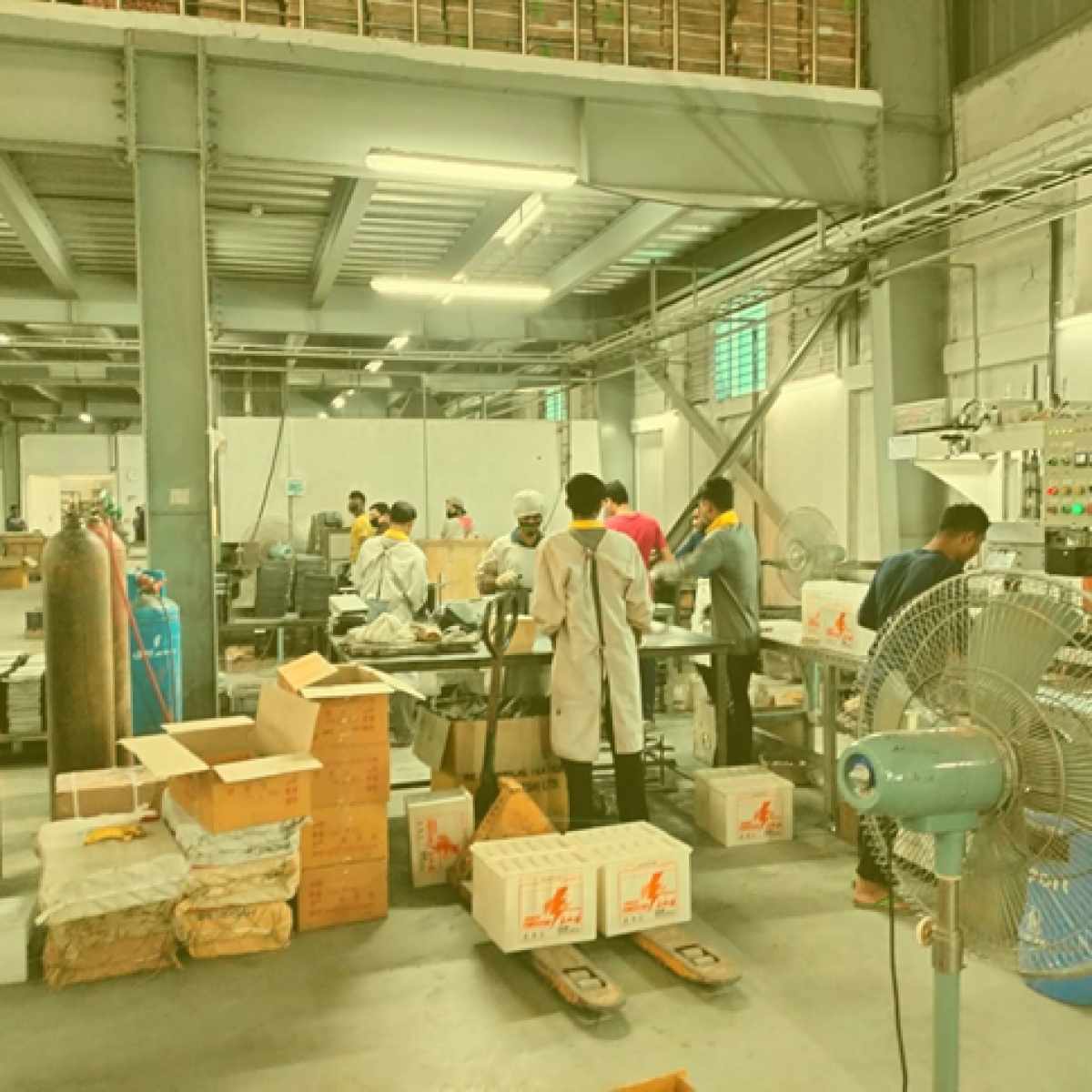
Trade-offs between Price, Information, and Reputation by Dealers in a Circular Economy: An Audit Study in the Electric Three Wheeler Battery Market in Bangladesh (Use of Lead Acid Battery)Project Introduction: The popularity of EZ bikes is driving rapid growth in the lead-acid battery market in Bangladesh. Recognizing the environmental and health hazards of informally-recycled batteries, Stanford University and Georgetown University, in collaboration with ARCED Foundation, are spearheading research to bring high-quality lead-acid and lithium-ion batteries to the market. Location: All over Bangladesh Timeline: March 2023- Ongoing READ MORE |
|
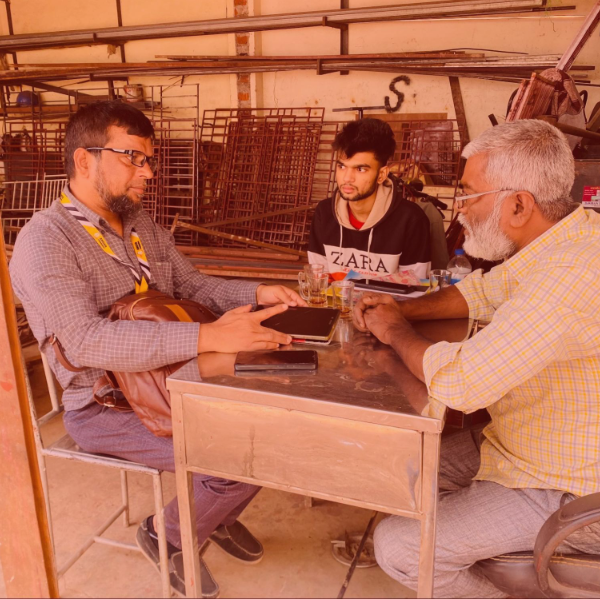
Skill for Growth: Human Capital Deficits, Labour Markets FrictionsProject Introduction: This project analyzes workforce skills in Dhaka’s manufacturing sector using the US O*NET framework to assess 35 skill categories across 2,000 workers and 500 managers. The study identifies skill gaps, examines labor market trends, and evaluates the relationship between skill levels and job performance. Location: Dhaka, Gazipur, and Narayanganj Timeline: January 2024 - ongoing READ MORE |
|
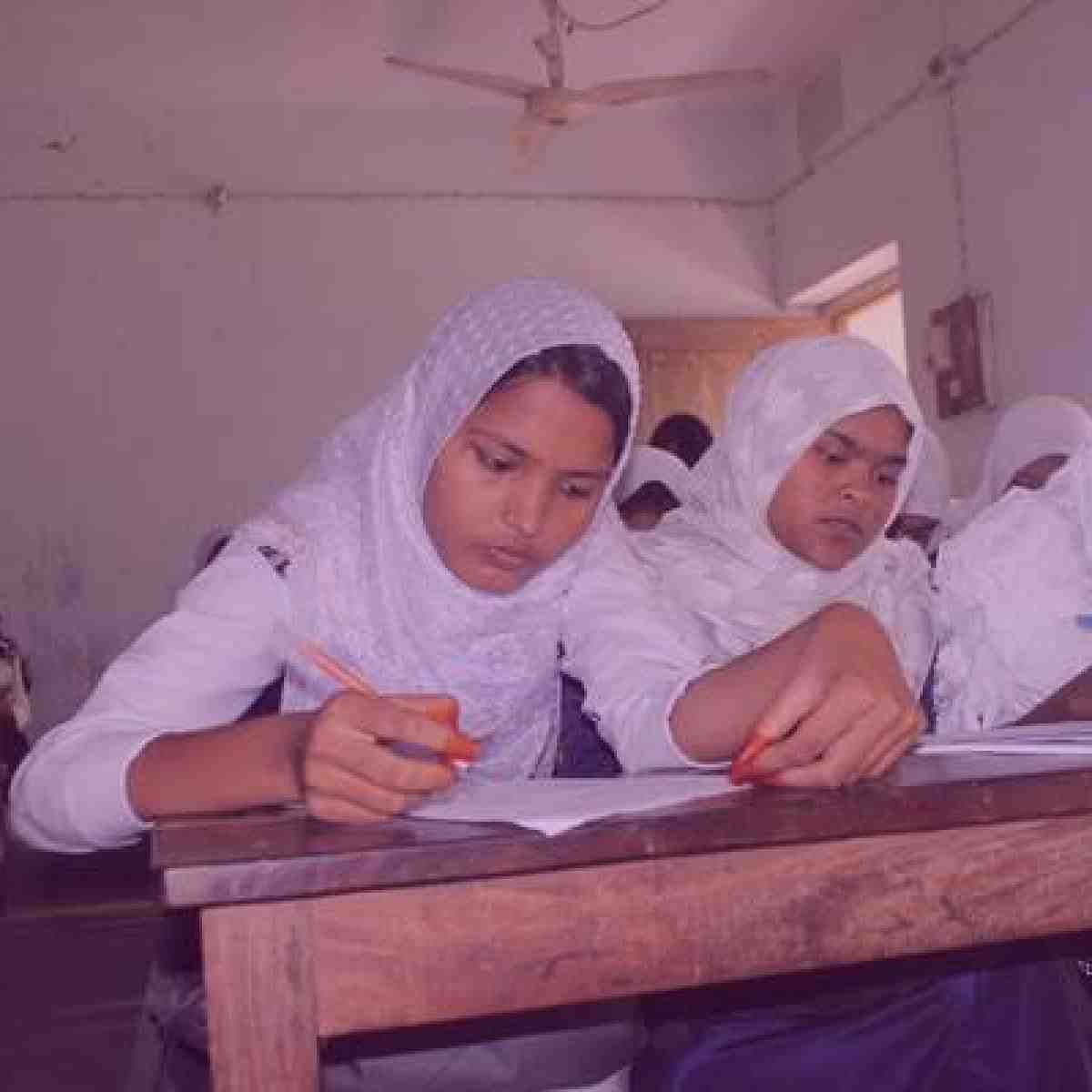
Layering Technology to Boost Impact: Can Phone Calls Boost the Effectiveness of TV-Based Instruction?Project Introduction: This project concentrates on how phone calls or texts enhance students' general involvement in TV-based distance learning systems at the time of COVID-19 pandemic and increase the efficiency of TV-programme based distance learning. Location: All over Bangladesh (via SMS/phone call) Timeline: 12th May – 31st December 2020 READ MORE |
|
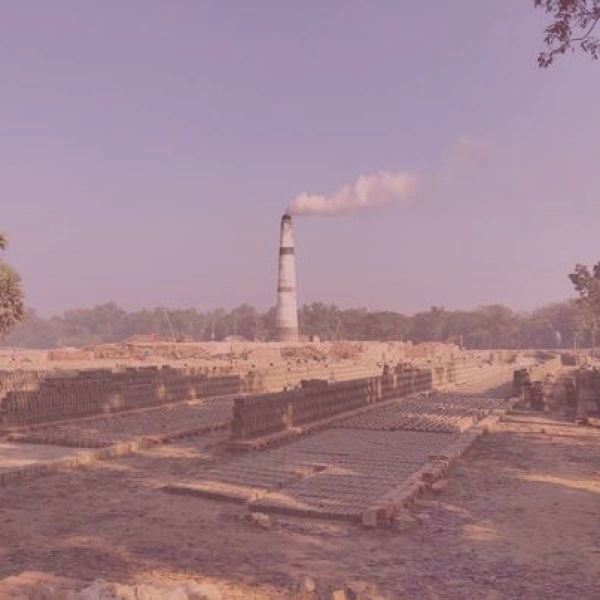
Leveraging Technology to Prioritize Environmental Enforcement in Bangladesh (Brick Kilns)Project Introduction: Air pollution is one of the most serious threats to human health in South Asia. Still , environmental regulations are only partially enforced. The goal of this project is to test whether a dashboard (Brick Kiln Tracker) that helps the Department of Environment (DoE) can direct environmental enforcement towards the most harmful sources of air pollution. To do so, ARCED Foundation, in collaboration with partners from National University of Singapore, University of Nottingham, University developed a Pollution Source Prioritization System (PSPS) for brick kilns in Bangladesh called the Brick Kiln Tracker. First, we use satellite imagery and AI to map the location of all brick kilns in Bangladesh. Location: 64 Districts, Bangladesh Timeline: December 2022 - June 2025 READ MORE |
|
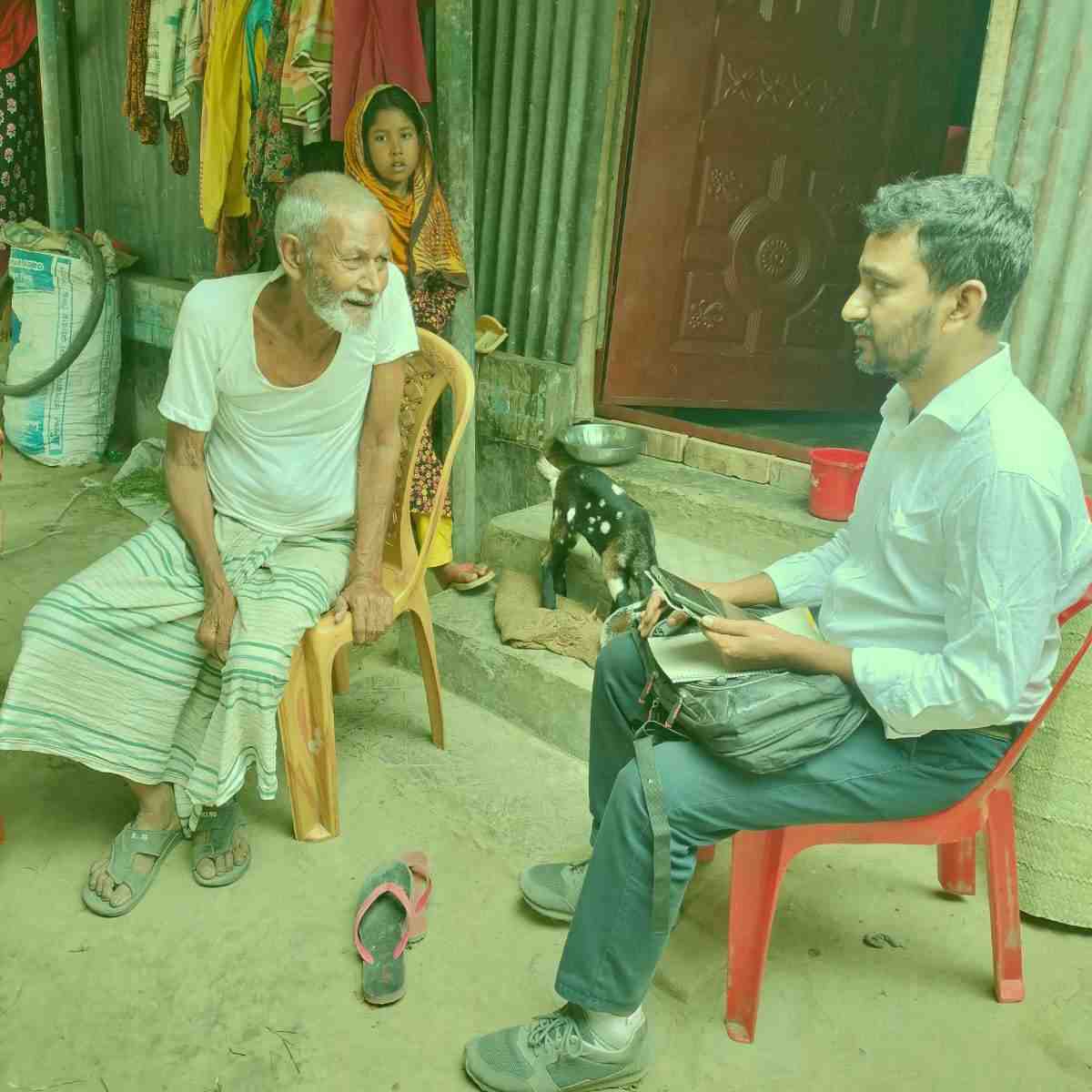
Impact of the Old Age Allowance in Bangladesh.Project Introduction: In Bangladesh, where over 4.7 million elderly citizens live in poverty, the Old Age Allowance (OAA) program is a vital social safety net. Launched in 1998, the OAA aims to reduce economic dependency and improve the quality of life for the elderly. This project, conducted in collaboration with the ARCED Foundation, seeks to address this gap by evaluating the effectiveness of the OAA program and improving the beneficiary selection process to ensure it reaches the most vulnerable. Location: 39 Unions of Rajshahi & Rangpur divisions, Bangladesh. Timeline: 2023 - 2024 READ MORE |
|
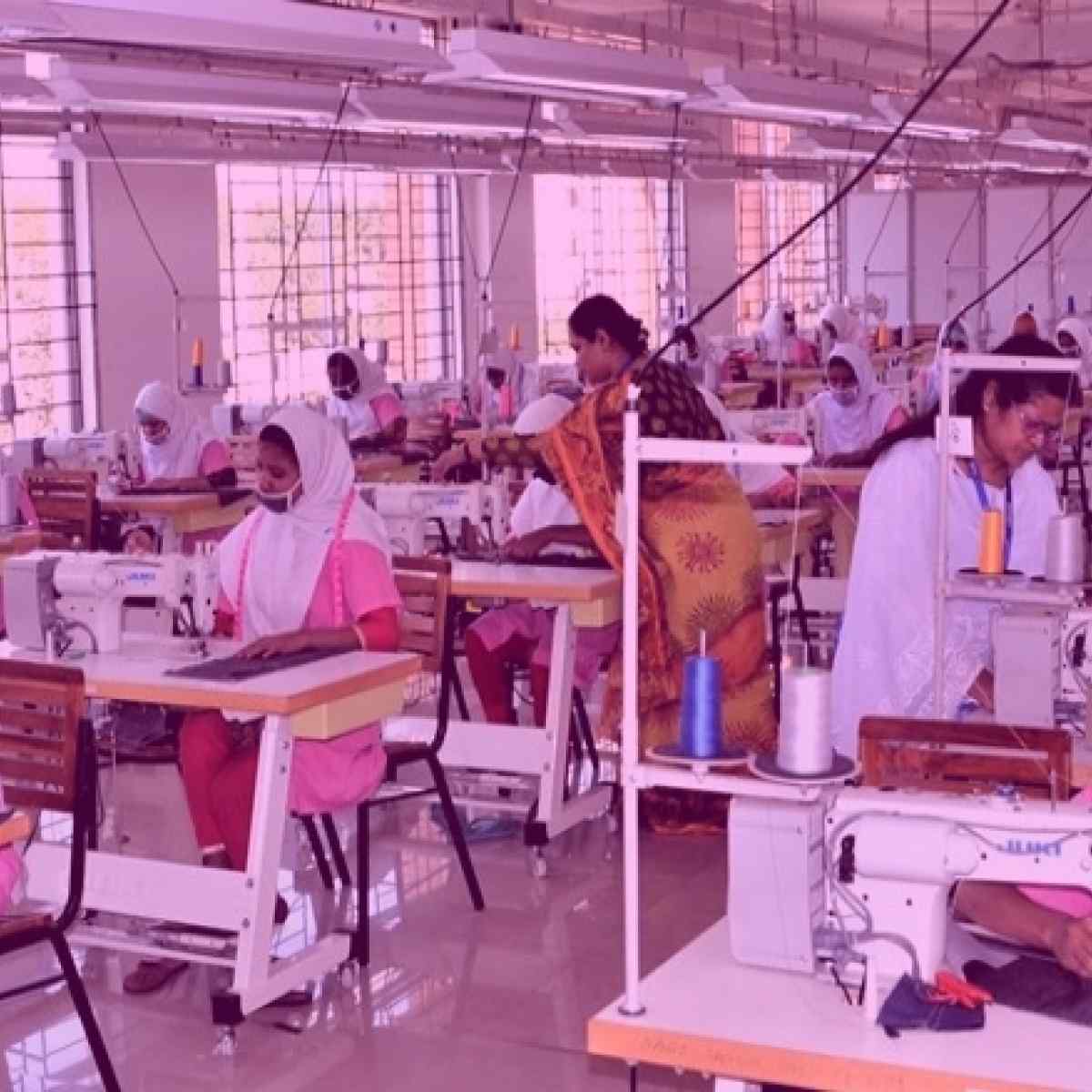
Bangladesh Garments Whistleblowing-Escrow (BGWE) EndlineProject Introduction: Bangladesh Garments Whistleblowing-Escrow (BGWE) project, conducted by researchers from Ben Gurion University and Columbia University. This study seeks to understand the working conditions in garment factories and how workers communicate their concerns to management. It employs a Randomised Control Trial (RCT) method. The baseline and midline of this study were conducted with other organizations (BIGD). The ARCED Foundation is now handling the end-line of the study for the researchers. Location: Dhaka and Chittagong Division Timeline: May 2023 to Present READ MORE |
|
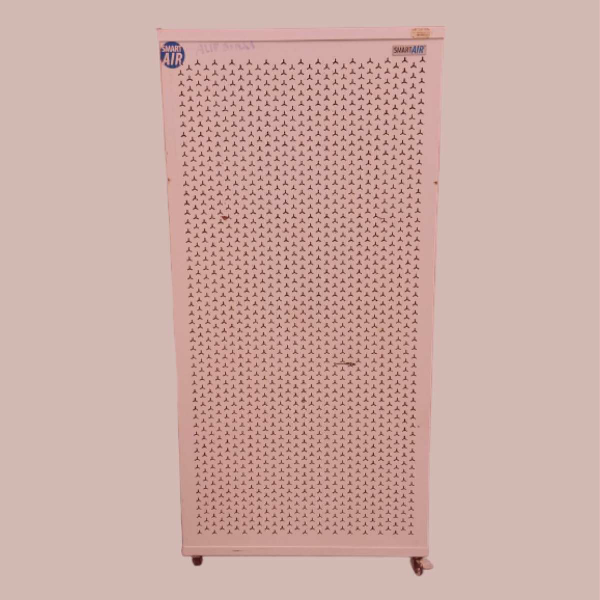
Air Pollution and Worker Productivity, 2022Project Introduction: This study examines the impact of air pollution on worker productivity in factories in Dhaka and Narayanganj, Bangladesh. The research involves tracking productivity in relation to air quality changes, installing air purifiers, and assessing the willingness of factory owners to invest in cleaner air solutions. Location: Dhaka and Narayanganj, Bangladesh Timeline: November 20, 2022 - Present READ MORE |

|
Household Air FilterProject Introduction: Many households in Bangladesh have incorrect beliefs about indoor air pollution and how effective air purifiers are. To address this, the ARCED Foundation, the University of California San Diego, and the National University of Singapore have partnered on a study. The study aims to assess indoor air quality in Dhaka homes and evaluate the effectiveness of air purifiers while allowing households to contribute to scientific research and potentially improve their own air quality. Location: Mirpur (Eastern Housing, Arambagh Housing, Rupnagar Housing), Dhaka Timeline: 2022-2025 READ MORE |
|
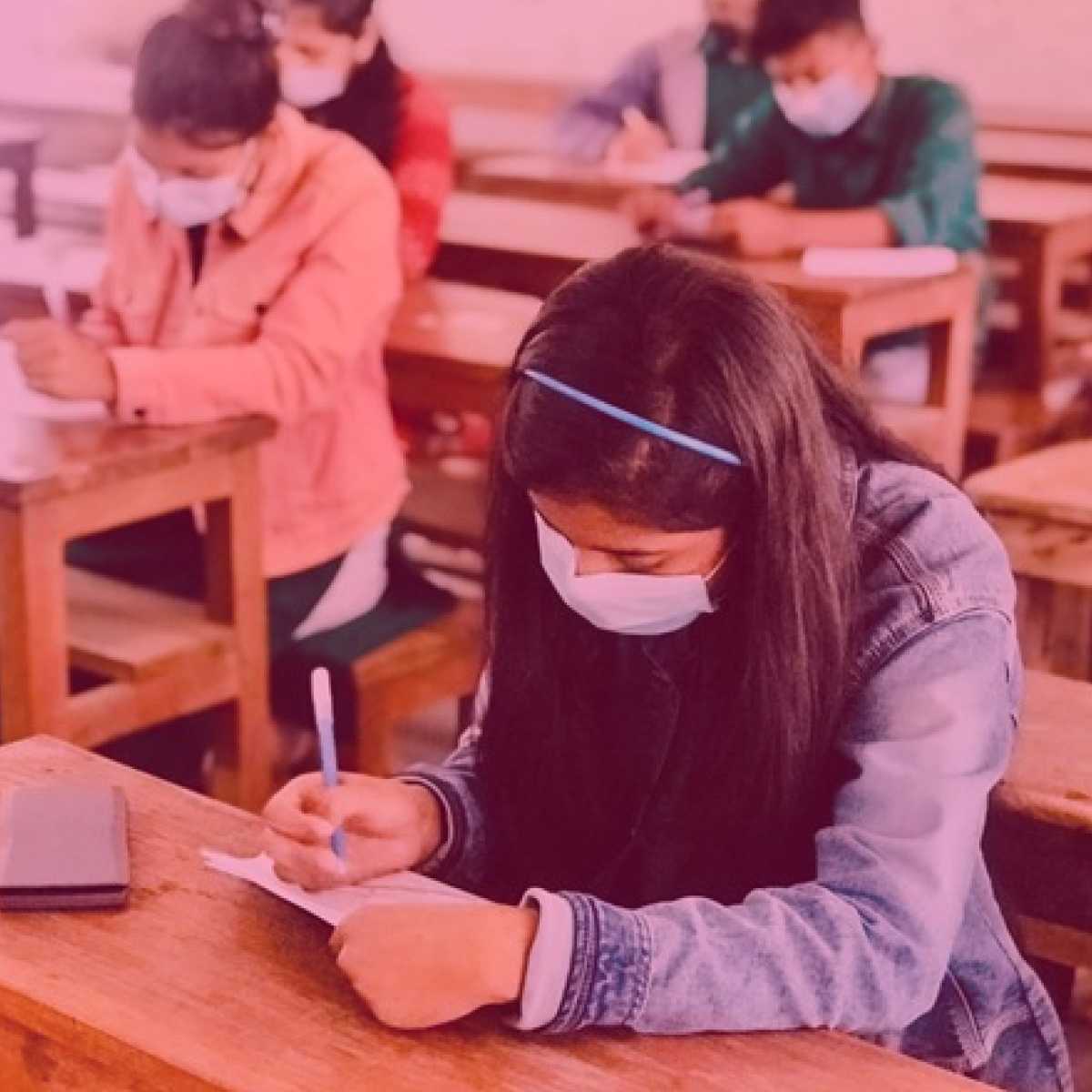
Teachers' Knowledge of Students Skill (TKSS)Project Introduction: In many developing countries, teachers often misjudge their students' abilities, leading to ineffective teaching and leaving struggling students without the support they need. To address this, the World Bank, in collaboration with the Government of Bangladesh, conducted a study to determine whether diagnostic feedback and teacher training could enhance student learning. The World Bank Group and New York University funded this research, which was carried out by the ARCED Foundation in partnership with the Secondary Education Development Program (SEDP) and Teach for Bangladesh. The study aims to provide evidence-based insights into the role of formative assessments and teacher training in improving student learning. Location: 12 Districts in Bangladesh Timeline: February 2022 to March 2023 READ MORE |
|
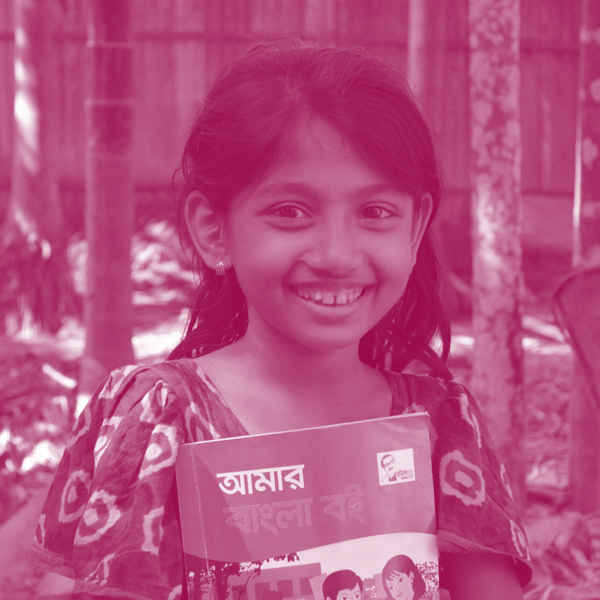
Randomized Controlled Trial on remote learning in Bangladesh during covid 19 school closuresProject Introduction: An experimental RCT on remote learning in Bangladesh during covid 19 school closures has been funded by World Bank and supported by SEDP of the GoB. ARCED as a research firm has conducted multiple stages of phone survey to collect data from maximum 15000 household at pre-baseline survey to narrow down to 3000 household for other stages. Location: Dhaka and Mymensingh District Timeline: August 2020 to September 2020 READ MORE |
|
MIDTERM EVALUATION OF UTTORON PROJECTProject Introduction: The B-SkillFUL Phase I project has been designed to support forty thousand disadvantaged and unskilled men and women by i) providing skill development training and ii) supporting the skilled graduates to create linkage with financial institutions. Location: Cumilla, Gazipur, Habiganj, Molavibazar, and Sylhet Timeline: May 2018 - July 2018 READ MORE |
|
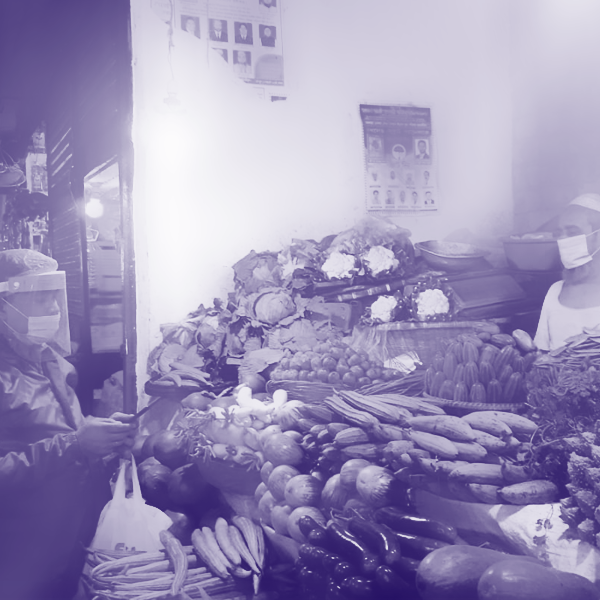
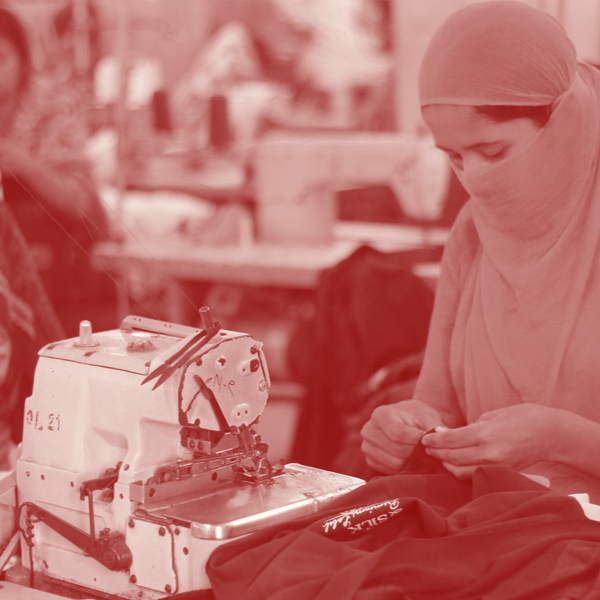
Data Management for EatSafe - Evidence and action towards safe, nutritious food: A COVID-19 responseProject Introduction: ARCED is the Data Management partner of the EatSafe project which is a five-year project of Feed the Future (FTF) and being implemented by GAIN with a view to enabling lasting improvements in the safety of nutritious foods in informal markets in low and middle-income countries (LMICs) with its critical focus on the consumer
Location: Two wet markets in Dhaka South City Corporation
Timeline: September 2020 to December 2021 |
|
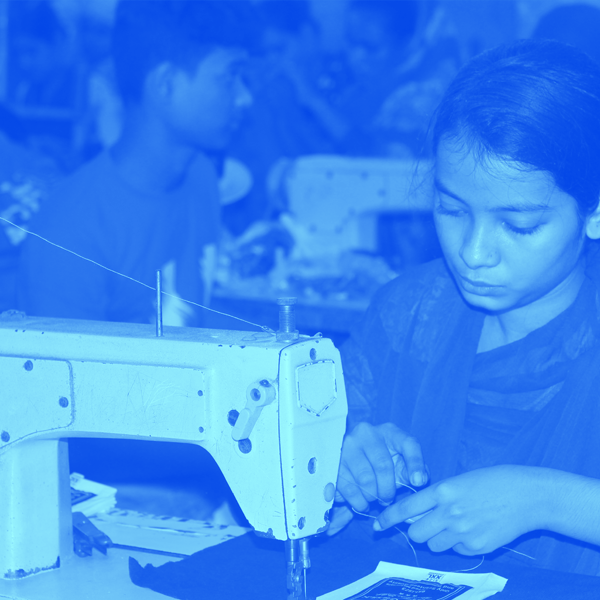
Tracer study to examine employment outcomes of Bangladesh Skills for Employment and Productivity (B-SEP) supported Technical and Vocational Education and Training (TVET) graduates, micro-entProject Introduction: Tracer study has been conducted on TVET graduates to scrutinize the employment outcome of B-SEP project which has receive support from ILO along with other related institute, departments of GoB like TMED, DTE, BTEB and NGOs. ARCED Foundation has conducted the study and prepared the surveyed final report with proper evidence-based findings by surveying 2189 TVET graduates from 47 districts. Location: All over Bangladesh (47 Districts) Timeline: September 2018 to December 2018 READ MORE |
|
Global supply chains in the garments sectorProject Introduction: The research focused on how buyers' purchasing practices in various countries affect producers in garments sector. Location: Gazipur, Dhaka districts in Bangladesh Timeline: November 2016 - February 2017 READ MORE |

|
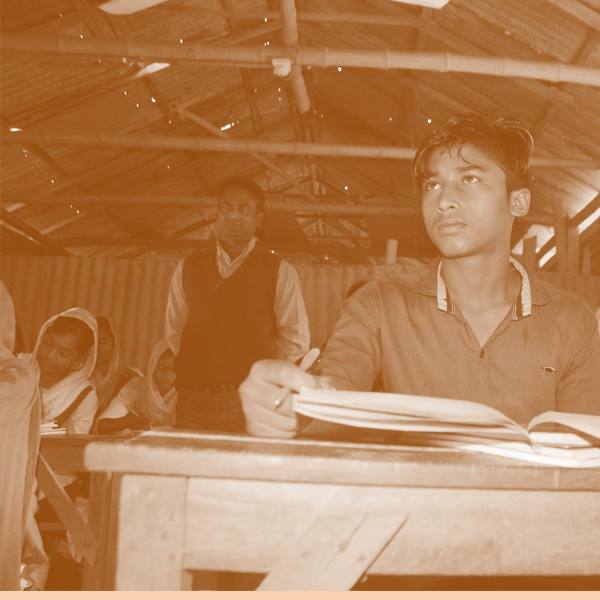
Survey of bidders of public contracts for the impact evaluation of the electronic government procurement system (e-GP)Project Introduction: The survey was designed for the bidders of public contracts for the impact evaluation of the Electronic Government Procurement system (e-GP) established by the Central Procurement Technical Unit (CPTU). Location: Barishal, Bogura, Chattogram, Cumilla, Dhaka, Gopalganj, Habiganj, Jhalokathi, Jhenaidah, Khulna, Kushtia, Munshiganj, Mymensingh, Pabna, Rangpur, and Sylhet. Timeline: June 2019 - August 2019 READ MORE |
|
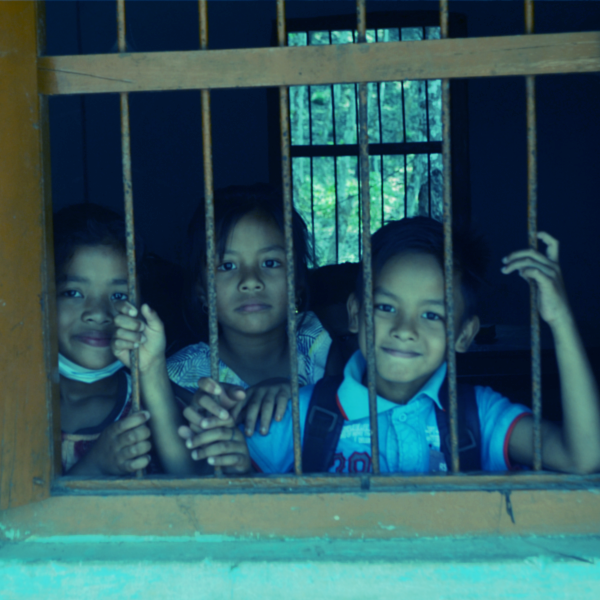
Undertaking data collection on secondary teachersProject Introduction: The project tried to gauge if low learning level in the students of the developing countries were correlated to low effort from the educators. Location: Dhaka and Mymensingh. Timeline: August 2020 - September 2020 READ MORE |
|
A baseline study of Stop Tolerating Violence Against Children (STVAC) - BLASTProject Introduction: ARCED Foundation conducted the baseline study of the "Stop Tolerating Violence Against Children (STVAC)" project from 2017 to 2021, which was implemented by BLAST and Save the Children. In Bangladesh Location: Dhaka, Chittagong, Moulvibazar, Rajshahi, and Chapai Nawabganj Timeline: October 2017 to March 2018 READ MORE |
|
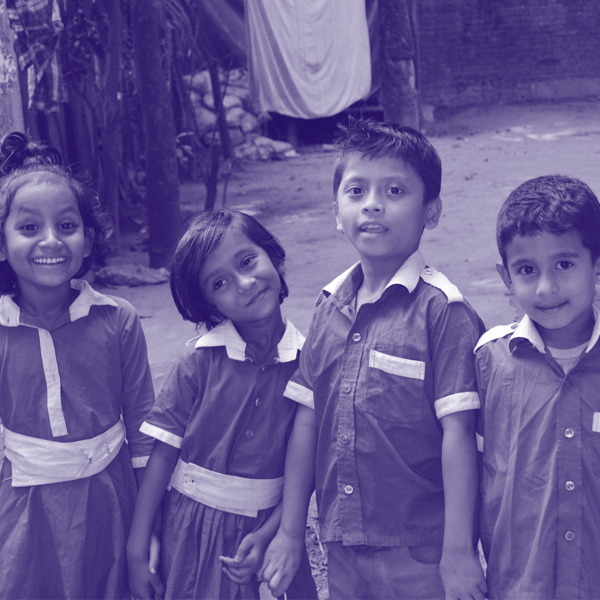
THE IMPACT OR SCHOOLING TYPE ON STUDENT ACHIEVEMENT IN DHAKA (PHASE II)Project Introduction: The study was conducted to gauge the relative impact of JAAGO Foundation schools as opposed to government schools and other NGO-run schools in Rayer Bazar and Korail slum areas of Dhaka to see the impact of different types of schools in children.
Location: Dhaka, Bangladesh
Timeline: May 2018- July 2018 |
|
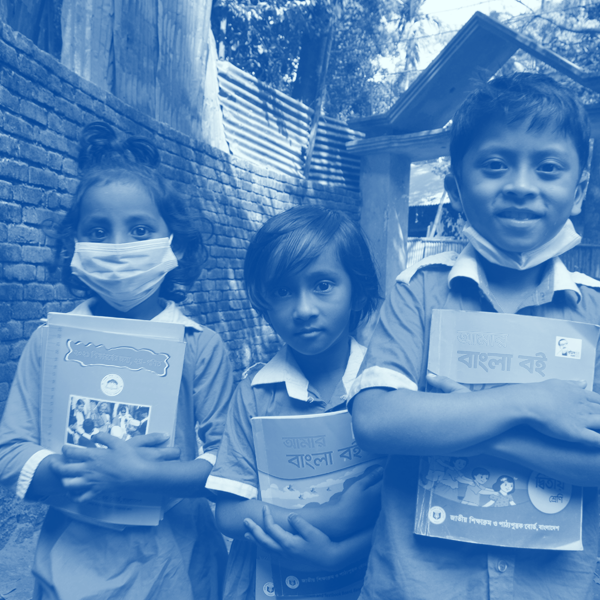
IMPACT OF SCHOOLING ON UNDERPRIVILEGED CHILDRENProject Introduction: The study was conducted to see the overall impact of schooling on underprivileged children. Location: Dhaka, Bangladesh
Timeline: September 2015 -May 2016 |
|
BACK-CHECK SURVEY OF POTATO FARMERS IN BANGLADESHProject Introduction: The study was part of an impact evaluation of an ICT tool called GEOPOTATO, that alerted to potato farmers in Bangladesh about the incidence of late blight in their area. The tool was developed by Yale University.
Location: Rangpur
Timeline: March 2020- April 2020 |

|
B-SKILLFUL TRACER STUDY 2019Project Introduction: B-SkillFUL project initiated with the aim to improve the well-being of 40,0000 poor and disadvantaged men (45%) and women (55%) by increasing their access to the labour market and enhancing their income, while safeguarding their fundamental rights at work
Location: Bogura, Dhaka, Dinajpur, Gazipur, Jashore, Joypurhat, Nilphamari, and Tangail
Timeline: August 2019 - December 2019 |
|
PHONE SURVEY ON B-SKILLFULProject Introduction: B-SkillFUL project initiated with the aim to improve the well-being of 40,0000 poor and disadvantaged men (45%) and women (55%) by increasing their access to the labour market and enhancing their income, while safeguarding their fundamental rights at work.
Location: Bogura, Dinajpur, Gazipur, Jashore, Joypurhat, and Tangail
Timeline: December 2018 |
|
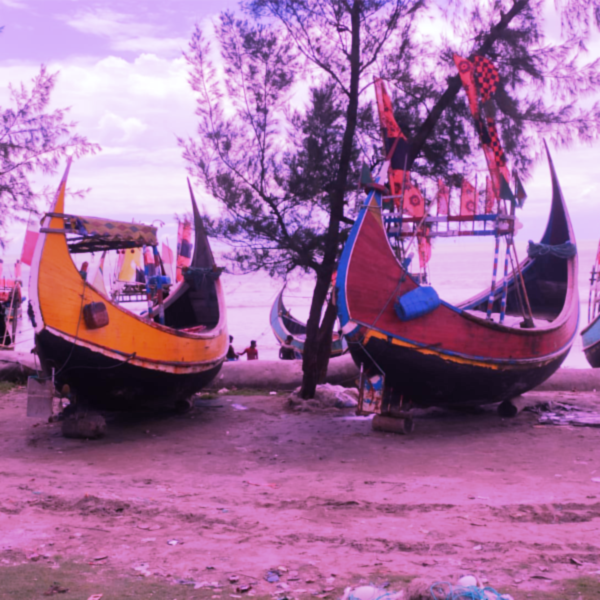
A Market-based Livelihoods Assessment, TeknafProject Introduction: Bangladesh Red Cross Society (BDRC) in collaboration with the British Red Cross has tried to enhance resilience of cyclone and disaster prone communities through the Vulnerability to Resilience (V2R) program since 2012. In the light of the nation's second wave of COVID-19 infection, the V2R program has reshaped its planning to support the communities of Teknaf, Cox's Bazar who were vulnerable to the economic downswings of COVID-19.
Location: Teknaf, Cox's Bazar
Timeline: July 2021 to December 2021 |
|
Reach To Teach Virtual Teacher Training Intervention In BangladeshProject Introduction: Reach to Teach project, RCT, has been initiated by World Bank to focus on building teachers content knowledge and pedagogical skills and SEDP actively supported the project thoroughly. ARCED has been working tirelessly with Agami Foundation and Muktopath to implement the study by collecting quality data country widely from grade-6 mathematics teachers.
Location: All over Bangladesh
Timeline: January 2021 to September 2021 |
|
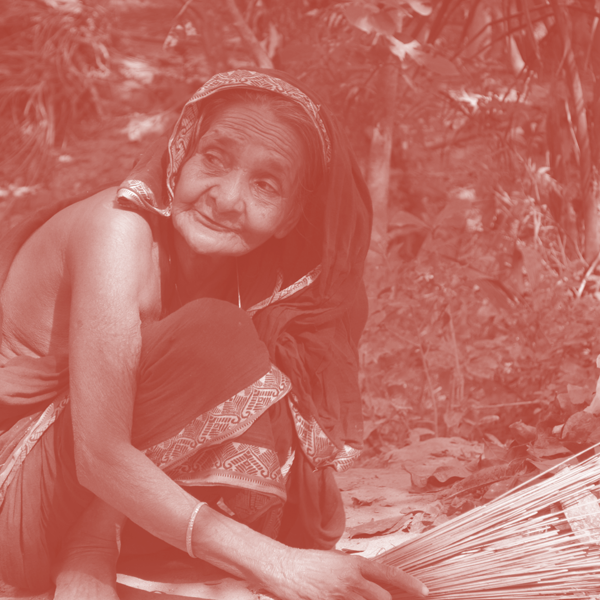
Effects of COVID-19 on older adults in BangladeshProject Introduction: As part of COVID-19 response, ARCED took the initiative to solely organize an impact study regarding the effect of COVID-19 on older adults in Bangladesh. During 2020, 1000 Bangladeshi older adults and 400 Rohingya older adults were surveyed digitally and physically. During 2021 another 1000 Bangladeshi older adults and 800 Rohingya older adults were surveyed. ARCED collaborated with a large number of academicians, policymakers and practitioners on this study and published many scientific papers in reputed journals. Location: 8 Divisions in Bangladesh and 10 FDMN Camps at Teknaf
Timeline: Round 2020: September 2020 to December 2020 |
|
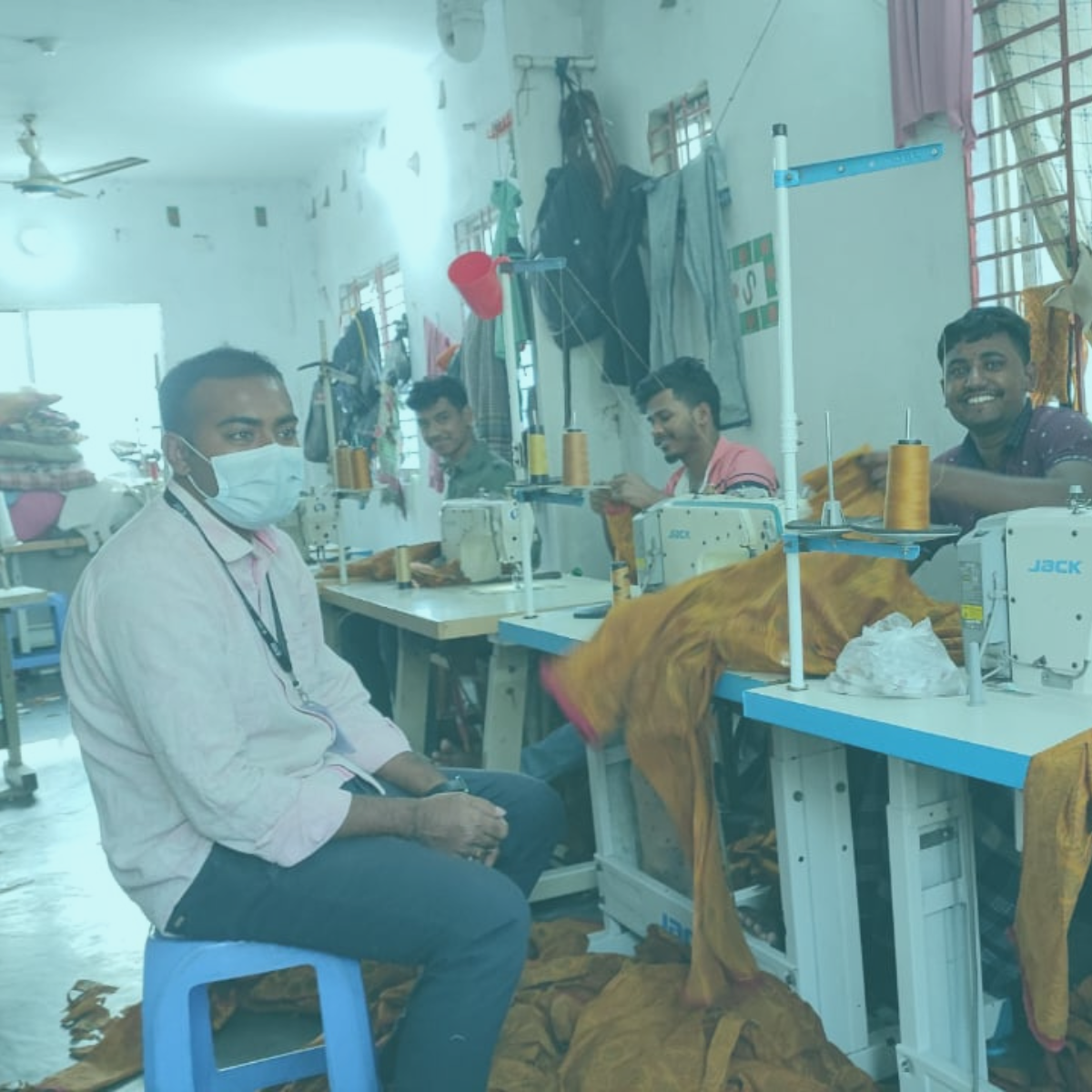
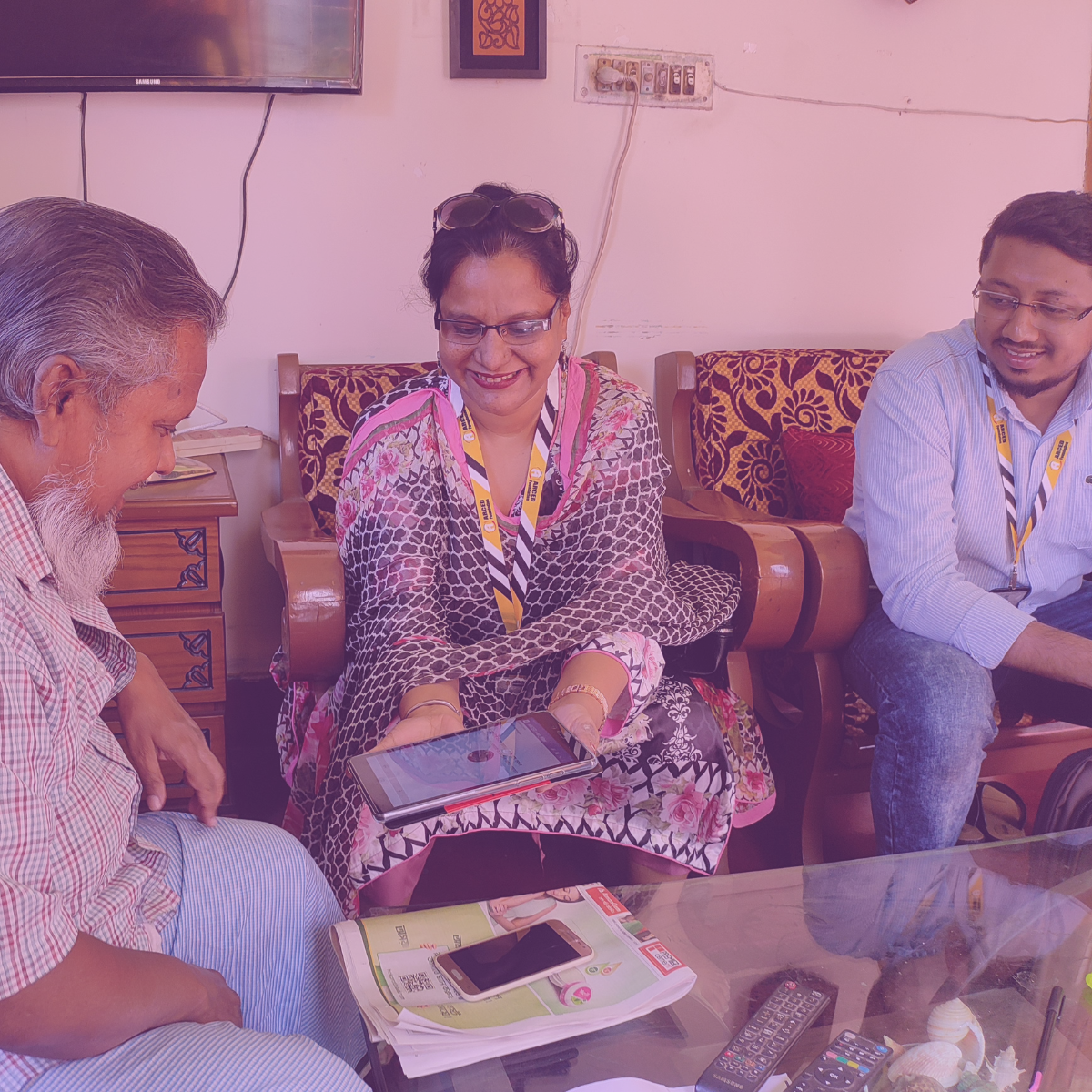
AIR POLLUTION AND WORKER PRODUCTIVITYProject Introduction: ARCED Foundation with collaboration with University of California, San Diego (UCSD) and University of Colorado, Denver (UCD) aims to understand the effects of air pollution on worker productivity in Dhaka, Bangladesh, a rapidly growing megacity with poor livability due to high congestion costs, poor solid waste management, and increasing air pollution with a view to assessing the air quality and measuring worker productivity with the RCT intervention.
Location: Dhaka (Kamrangirchar) and Narayanganj
Timeline: On-going |
|
HOUSEHOLD AIR FILTER PILOT SURVEYProject Introduction: The ARCED Foundation, University of California San Diego and the National University of Singapore have partnered to conduct a pilot study examining the impact of air purifiers on indoor air quality in households in Dhaka. The study aims to determine the air quality within homes in Dhaka and evaluate the effectiveness of air purifiers in improving it. By participating in the study, households can contribute to the expansion of scientific understanding and potentially improve the air quality in their own homes.
Location: Pallabi Mirpur, Dhaka, Bangladesh
Timeline: On-going |

|
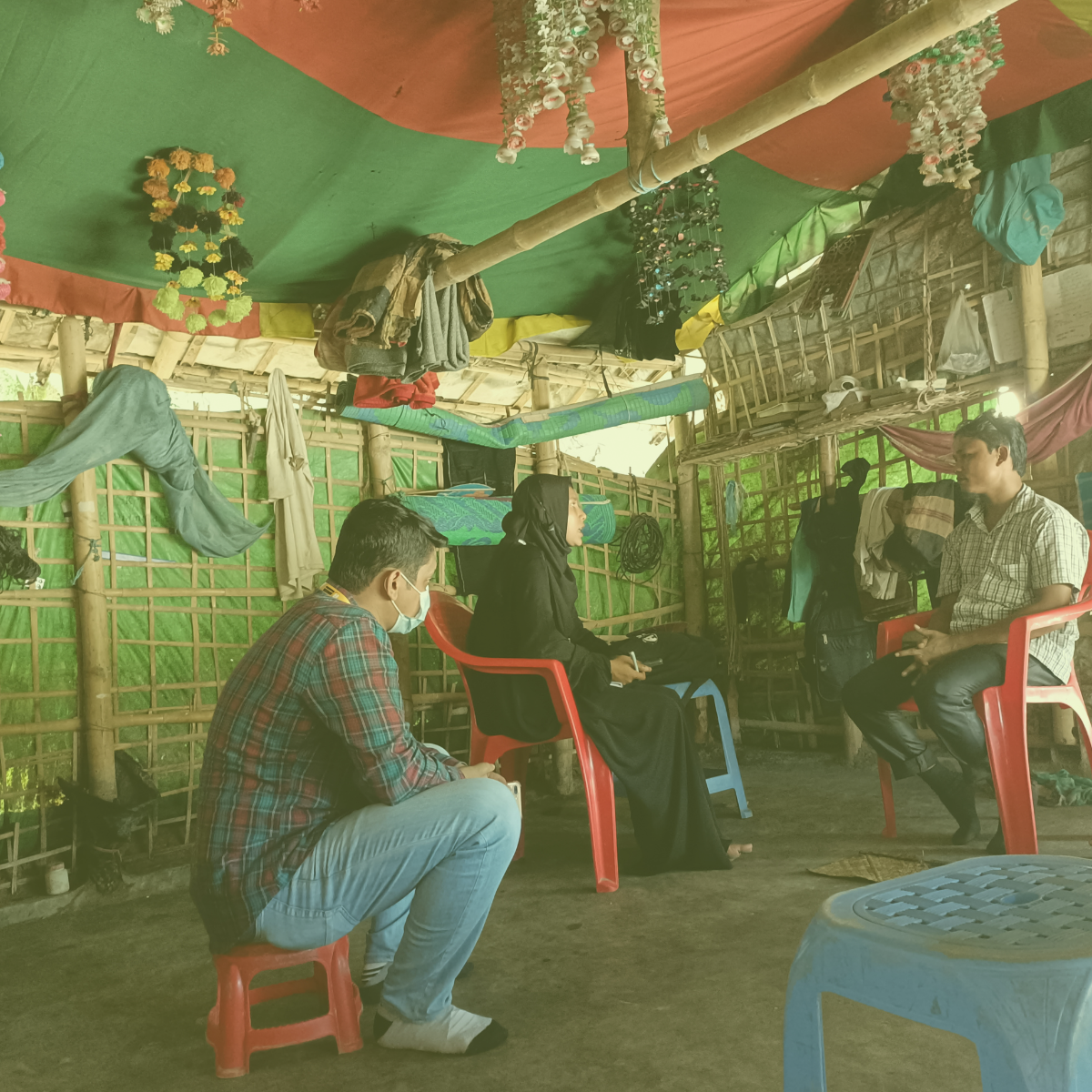
How Can We Encourage Teachers to Improve the Skills of Low-Achieving Students? Experimental Evidence from BangladeshProject Introduction: The World Bank, ARCED Foundation, and the Bangladesh government have teamed up to conduct an impact evaluation with the goal of improving teachers' knowledge and students' learning outcomes. The ARCED Foundation led the data collection efforts in collaboration with researchers from the World Bank and New York University.
Location: Dhaka and Mymensingh District
Timeline: May 2022 to November 2022 |
|
EVALUATION OF A FATHER ENGAGEMENT MODEL IN THE HOME VISITING HUMANITARIAN PLAY LAB (HPL) PROGRAM IN ROHINGYA REFUGEES CAMPS AND HOST COMMUNITY IN COX’S BAZAR BANGLADESHProject Introduction: New York University Global TIES and the ARCED Foundation have partnered to assess the impact of a home-visiting and group-based program led by BRAC, which targets caregivers and aims to involve both mothers and fathers. The evaluation will focus on the benefits of involving fathers in caregiver-focused interventions.
Location: 27 Rohingya Refugee camps in and 4 Upazilas in the Cox's Bazar district
Timeline: September 2022 to December 2022 |